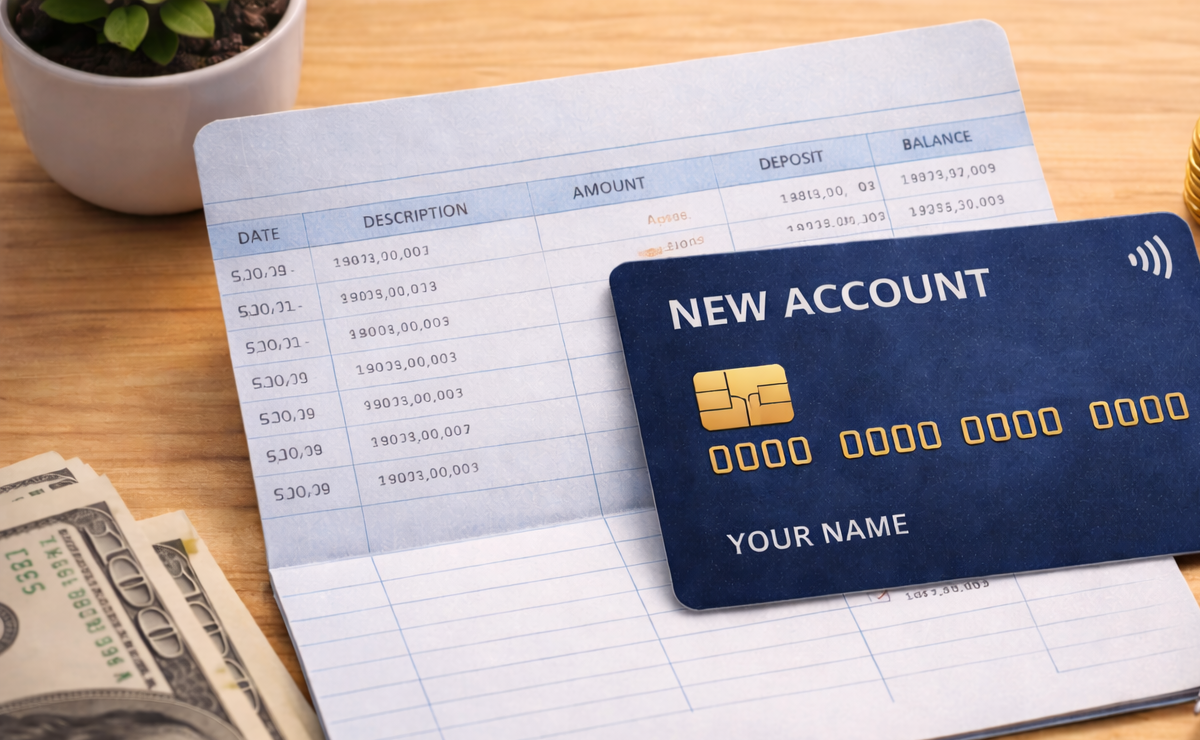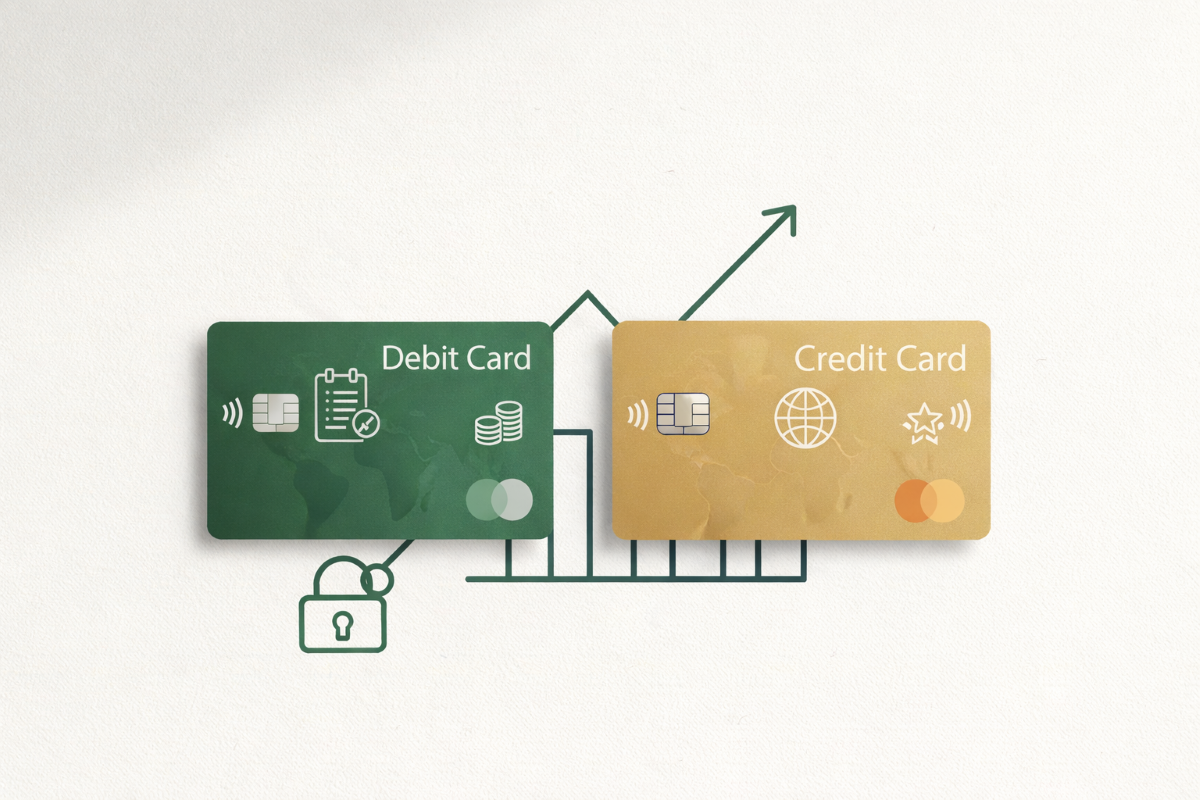
We all start somewhere. No matter what career path we choose, at some point we’ll need a bank account to receive our paycheck, pay rent and manage everyday expenses.
Opening your first account might seem simple, but knowing what to expect beforehand can save you a lot of time and unnecessary back-and-forth. Whether you’re opening your very first account or switching to a new bank, understanding the basics will help you make a smarter decision from day one.
Keep Your Documents Ready
The first thing every bank expects is proper documentation. Having everything organized in a folder makes the process smooth and prevents you from scheduling another appointment because something was missing.
Most banks typically require:
- A state-issued government ID (driver’s license or state ID)
- A passport (for international applicants)
- Social Security Number or Social Security card
- Proof of address
Being prepared saves time for you and the banker.
Pocket Insight
No, your student ID, gym membership card, Costco card or a photo of your passport on phone won’t work. Banks require official government-issued identification.
Walk-In vs. Online Opening
You can open an account either by walking into a branch or applying online.
A walk-in process is often preferred by bankers because they can verify documents quickly and guide you through the process step-by-step. It’s straightforward and usually less confusing for first-time account holders.
Online setup offers flexibility and convenience. You can apply anytime, anywhere. However, if you’re unfamiliar with banking terms, it may feel slightly overwhelming without someone guiding you.
Choose Between Checking and Savings
Bankers are there to assist you, before opening a bank account, it’s better to understand the difference between checking and savings accounts and what suits your needs.
- Checking accounts are for everyday transactions like paying bills, using your debit card, receiving salary.
- Savings accounts are meant for storing money and earning interest over time.
Many people open both. If this is your first account and you’ll be receiving a paycheck, a checking account is usually the starting point.
Minimum Deposit Requirements
One question people often have before opening an account is: Do I need money right away?
The answer varies from bank to bank. Some banks let you open an account without depositing anything on day one, while others may ask you to add anywhere between $5 to hundred dollars when the account is created. That money isn’t a fee but it simply acts as your opening balance, which you can use for everyday transactions once the account is active.
In many cases, the required amount is modest and meant only to activate the account. Checking the minimum deposit requirement beforehand can help you avoid surprises during the application process.
Age Requirement & Joint Account
Now that you’re clear on account types and deposit requirements, the next step is checking if you’re eligible to open an account on your own.
Here is the simple breakdown of how age affects your banking:
- The “Magic Number” is 18: This is the age when you can officially open a bank account completely independently.
- The Joint Account Option: If you are under 18, you are still eligible for a bank account! You’ll just need a parent or guardian to sign on as your co-owner.
- The 16+ Exception: Some banks offer accounts to teens aged 16 and older, but you’ll likely still need that adult co-owner to join you.
- The Paperwork: To make everything official, your co-owner has to provide the same information you do, including their official state-ID and Social Security number.
Once your account is open and ready to go, the next step is simply learning how to use it. The best way to do this is by downloading your bank’s mobile app. This lets you check your balance, send money to friends and family with Zelle, and keep an eye on your spending without ever having to visit a bank branch.
Most banks also have helpful features you should check out:
- Transaction Alerts: Get a text or notification whenever money is spent or transferred.
- Paperless Statements: See your monthly records on your phone.
- Budgeting Tools: See exactly how much you are spending on things like shopping, entertainment or eating out.
Opening the account is just the beginning. Taking a few minutes to see how the app works now will make managing your money much easier and more organized in the long run!
Read next: