College is an exciting place to be. Even before it starts, most students picture time with friends, coffee between classes, late-night study sessions, and waiting for weekend plans. On the flip side, it’s also the first time money becomes something they manage independently.
At first, it doesn’t feel complicated. Small expenses barely register. A snack here, a quick meal there, an occasional ride or subscription. But over time, these everyday choices begin to add up, and money slowly starts to feel harder to track. A study by Ellucian found that 59% of students have considered dropping out of college due to financial stress. While that statistic sounds serious, learning simple money habits early can make everyday decisions clearer and help you feel more in control of your finances.
Why managing money feels tougher in college
College is usually the first environment where spending decisions aren’t guided by parents or a rigid routine. That freedom is exciting, but it means there’s no one to pause you before a purchase. Also one hard truth to remember is that money rarely disappears because of one large expense; it vanishes through a dozen tiny choices that don’t feel significant at first.
Individually, these choices seem harmless. Together, they quietly shape your financial reality.
Most common mistakes students make
- Subscribing to free trials and forgetting to cancel before it ends.
- Assuming there is enough money left without checking the bank balance first.
- Treating credit cards like extra money instead of borrowed money.
- Missing payment dates because reminders aren’t set.
- Depending on food delivery or convenience purchases too often.
- Not setting aside even a small emergency buffer.
- Ignoring bank fees or overdraft charges until they add up.
- Thinking money habits can be fixed later instead of starting early.
A simple way to think about budgeting
Trying to manage an entire month of expenses at once can feel overwhelming. That’s why many students find it easier to think in weeks instead of months. So instead of asking,
Will this money last all month?
Shift the question to:
What do I need for the next seven days?
If you receive money monthly, divide it into four weekly amounts. This slows early spending and makes it easier to see where your money is going. You don’t need a sophisticated setup; the best tool is whatever is easiest for you to check daily. Small timeframes make money feel manageable because you can adjust week by week instead of worrying about an entire month at once.
Setting smart spending priorities
Once you’ve got your weekly budget in view, the next step is deciding what matters most. A simple way to do this is by splitting your spending into two groups: needs and choices. Needs are essentials like meals, transportation, textbooks, phone bills and Wi-Fi. Choices are things that make life more enjoyable but can wait, like eating out or shopping online.
Spending wisely isn’t about cutting out fun; but its about consciously choosing what is required in the moment and when you know which expenses keep you moving forward, it’s easier to flex the rest without guilt.
Building your mini emergency fund
Life is full of surprises and with college a few more add up. A laptop problem, an unexpected trip, or a bill you forgot about can show up when you least expect it. Setting aside even $5–$10 a week creates a small safety net that helps you handle these moments. Think of this fund as your quiet backup plan just like a piggy bank fund and you don’t have to save huge amounts but those nickels and dimes will one day be useful and you would feel less stressed.
Tools that actually help
Planning and writing down your expenses will help you more than you can imagine. You don’t need expensive apps to keep track of your money. The simple notes app on your phone, your bank’s spending tracker, or a google sheet does the job. One week of properly tracking will let you notice if there were too many takeout meals or forgotten subscriptions payments. Once you notice it, you change it.
The way forward
College is where learning starts usually through small daily choices you don’t even think about. Instead of a complex plan, just practice a “three-second pause” before you pay for something. Ask yourself if you’re buying it because you need it or just because you’re used to buying it. These tiny changes build your confidence over time. When you understand your spending, money feels way less stressful, even when college life gets messy.
Pocket Dimes takeaway
Small habits done consistently shape your financial future more than big plans you never start.
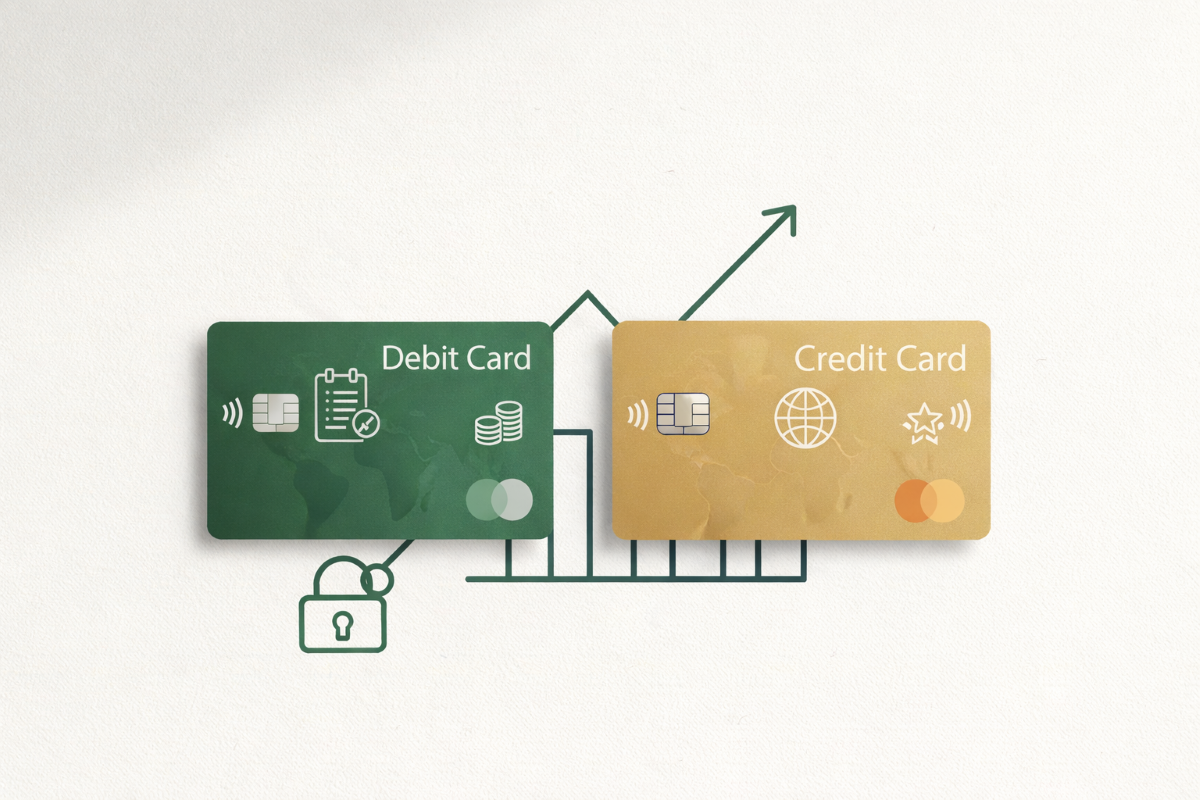
If you’re starting your financial journey, understanding when to use debit or credit is a great first step.